In crisis? Call or text 988 · Emergency: 911 Patient Portal Call/Text (541) 402-1024
Home / Backcountry Behavioral Health / Trainings & Certifications

Backcountry Behavioral Health

Amplify your wilderness medicine skills with a deep understanding of behavioral health, from prevention to postvention.

Certifications

Backcountry Behavioral Health Aider & Responder

Backcountry Behavioral Health builds on what you learned in Wilderness First Aid and Wilderness First Responder. Those courses teach you to care for the body far from help. Our certifications amplify those skills with a comprehensive understanding of behavior and behavioral health conditions, and what to do from prevention through postvention, at the same two levels outdoor professionals already know.

Register for an upcoming public course, or book either certification privately for your team.

LEVEL
3
Backcountry Behavioral Health

Aider

1 day · Certification · Comparable to WFA

For everyone who heads outside. Learn to recognize when someone is struggling, help them steady, and respond in the field.

What's included

Core area 1 · Understanding the Terrain

  • How the brain and nervous system respond to stress and threat
  • Trauma and how it shows up later
  • Why behavioral responses exist and what they protect
  • How stress affects judgment, communication and group dynamics

Core area 2 · Mapping the Mind

  • Recognizing common behavioral health conditions outdoors
  • Spotting cognitive changes, distress and dysfunction
  • Assessing risk and knowing when something is dangerous
  • Suicide awareness: warning signs and how to ask

Core area 3 · Navigating the Storm

  • Grounding and stabilization techniques that work in the field
  • Communicating with someone in distress
  • Field response and when to evacuate or call for help
  • Supporting the group and yourself after an incident

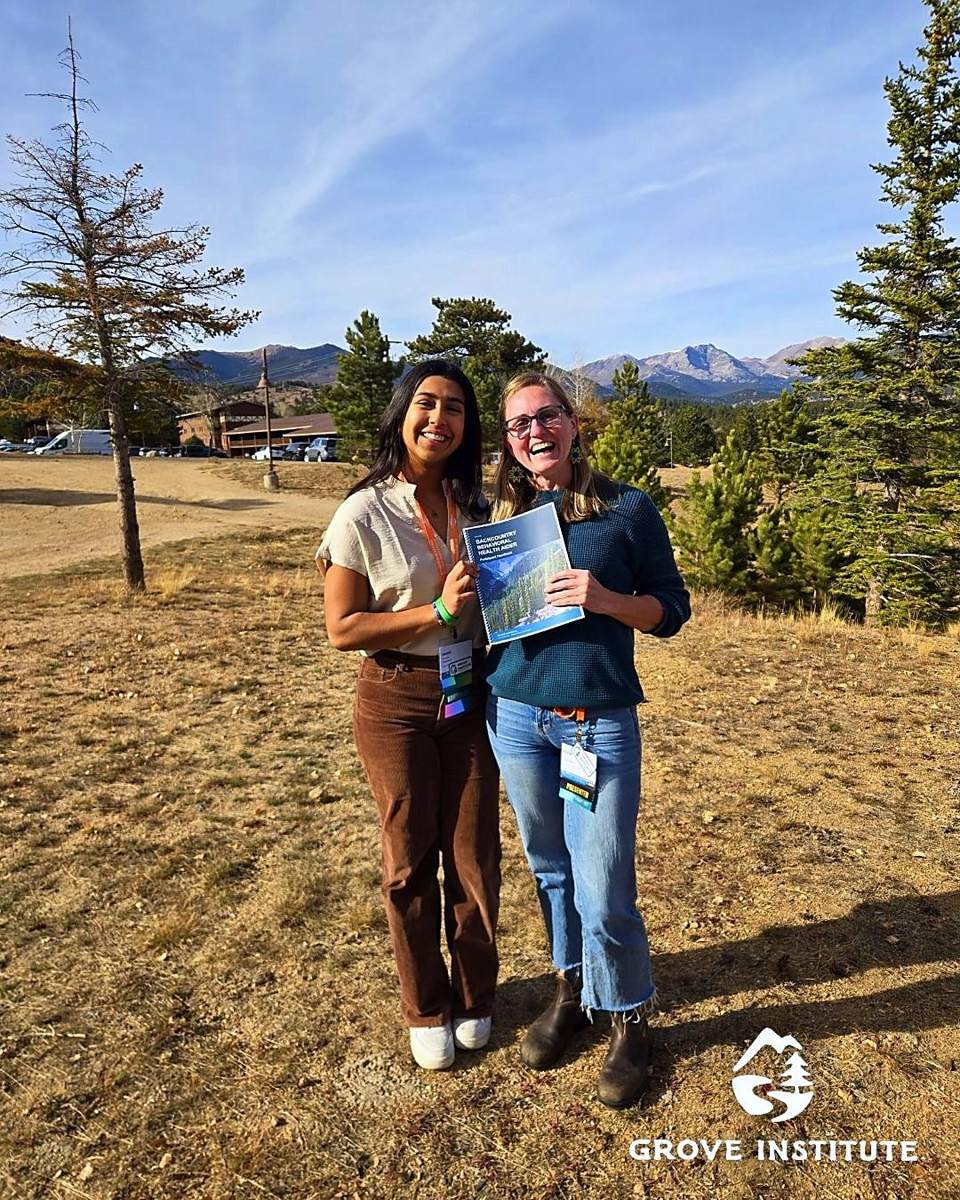
Every participant trains with the Grove participant handbook, theirs to keep.

Full Aider course page →
Next dates
    LEVEL
    4
    Backcountry Behavioral Health

    Responder

    3 days · Advanced certification · Comparable to WFR

    For ski patrol, fire crews, search and rescue, guides and wilderness medicine providers. One full day per module, for when you're the one people turn to.

    What's included

    Day 1 · Understanding the Terrain

    • Neuroscience and brain structure
    • Stress, trauma and the nervous system
    • Evolution and why behavioral responses exist
    • How behavior shapes leadership, decisions and safety

    Day 2 · Mapping the Mind in the Outdoors

    • How behavioral health conditions present in the field
    • Cognitive changes, distress, dysfunction and danger
    • Advanced behavioral health assessment
    • Suicide risk assessment and intervention

    Day 3 · Navigating the Storm

    • Crisis response and stabilization
    • Group regulation and trauma-informed leadership
    • Prevention planning before a trip or deployment
    • Communication and post-incident support for individuals and teams

    Every participant trains with the Grove participant handbook, theirs to keep.

    Full Responder course page →
    Next dates
      The full spectrum of care

      From upstream to downstream

      Backcountry Behavioral Health covers everything from before the trip to long after it: prevention, management, field intervention and postvention.

      Upstream
      1 Before the tripPrevention & Preparation
      • Health promotion
      • Prevention
      • Preparation
      • Harm reduction
      2 In the fieldIncident Management & Field Treatment
      • Maintenance
      • Field treatment
      • Early intervention
      • Crisis continuum
      3 After the tripPost-Field Treatment & Postvention
      • Post-field treatment
      • Clinical care
      • Postvention: individual, organization, community
      • Long-term recovery
      Downstream
      The framework behind every course

      Three core modules

      Every Backcountry Behavioral Health training and certification is built on the same three modules, from the 1-hour Overview to the 3-day Responder.

      Understanding the Terrain

      Human behavior, neuroscience, stress, trauma and why behavioral responses exist.

      • How the brain and nervous system respond to stress and threat
      • Trauma and how it shows up later
      • How stress shapes judgment, leadership and group dynamics

      Mapping the Mind

      Recognizing behavioral health conditions, crisis presentations and risk in remote settings.

      • Behavioral health conditions and how they present in the field
      • Cognitive changes, distress, dysfunction and danger
      • Risk assessment, including suicide risk

      Navigating the Storm

      Response, leadership, stabilization, communication and post-incident support.

      • Grounding, stabilization and crisis response
      • Communicating with someone in distress
      • Supporting individuals and teams after an incident
      How each course covers the modules
      Overview1 hour · a first look at all three
      Foundations Series3 × 90 min · one seminar per module
      Aider1 day · all three modules in depth
      Responder3 days · one full day per module
      How it was built

      Grounded in science. Built in the field.

      Every Backcountry Behavioral Health certification and training brings together clinical and scientific knowledge with the hard-won experience of outdoor guides and leaders, so what you learn is well grounded and works where you need it.

      Science

      Built on neuroscience and the science of stress, trauma and human behavior: what is happening in the brain and nervous system, and why it works. Informed by the RAINE Lab, Grove’s research lab studying behavioral health in outdoor environments.

      Clinical expertise

      Written by behavioral health clinicians who assess and treat stress, trauma and crisis in their clinical work, so every skill you practice rests on real clinical training, not guesswork.

      Outdoor leadership

      Developed by people who know both worlds. Our clinicians are also outdoor guides and instructors with wilderness medical training, including WFR, and every course uses scenario-based practice drawn from real field situations.

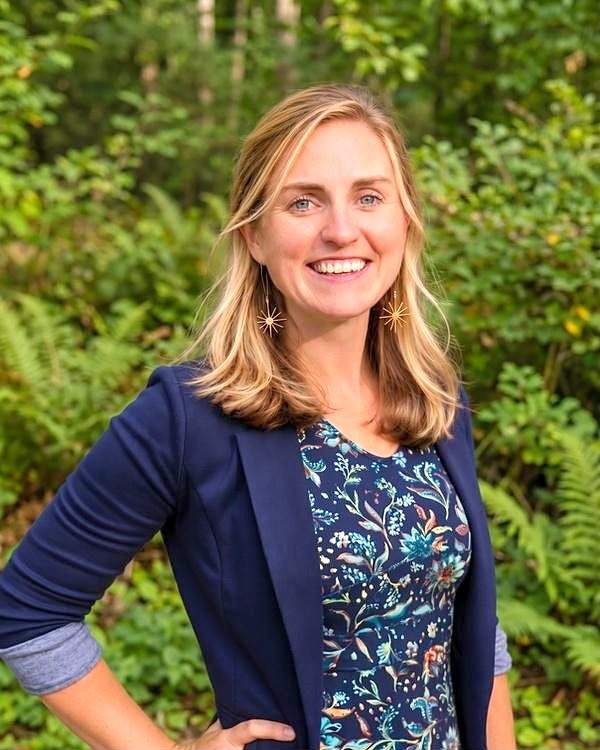
      Kallie Kurtz, LCSW/LICSW, WFR
      Written by

      Kallie Kurtz, LCSW/LICSW, WFR

      Founder & Clinical Director, Grove Institute · Designer of Backcountry Behavioral Health · Outdoor guide & instructor

      15+years in behavioral health
      9+national conferences as a speaker
      2027Wilderness Medical Society faculty
      • 15+ years in behavioral health, including emergency departments, rural behavioral health systems, wilderness behavioral health and statewide public health initiatives
      • Built from the field: designed Backcountry Behavioral Health from years of work in emergency rooms, with military operators and veterans, and in the backcountry
      • Field credentials: certified Wilderness First Responder, AIARE 1 & 2 avalanche training, ASIST suicide intervention, Swiftwater Rescue, raft and kayak instructor training
      • Provider networks: Star Behavioral Health (military and veteran families), American Alpine Club Grief Fund, American Avalanche Association mental health network and the International Association of Fire Fighters
      • Research: leads Grove’s research on behavioral health literacy in the outdoor community alongside search and rescue incident data
      • Education: JD candidate, Vermont Law & Graduate School · Doctor of Social Work candidate, Tulane University
      Oeishi Banerjee
      Materials developed by

      Oeishi Banerjee

      Behavioral Health Systems & Policy Architect · B.A. Psychology & Technology

      Synthesized and developed the Backcountry Behavioral Health materials, including slides, workbooks and training tools.

      • B.A. in Psychology & Technology, bringing behavioral science and systems design together
      • Curriculum & tools: builds the Backcountry Behavioral Health curriculum, handbooks and field tools, and co-presents trainings across the Pacific Northwest
      • Research: poster presentation at the American Psychological Association (2020)
      • Fellowships: Outdoor Alliance Grasstops Collective and Kleiner Perkins Fellowship · pursuing a master's at Dartmouth

      Reviewed by clinical behavioral and mental health providers, outdoor users, search and rescue members and first responders from diverse backgrounds and demographics, so every course is collaborative and science-based.

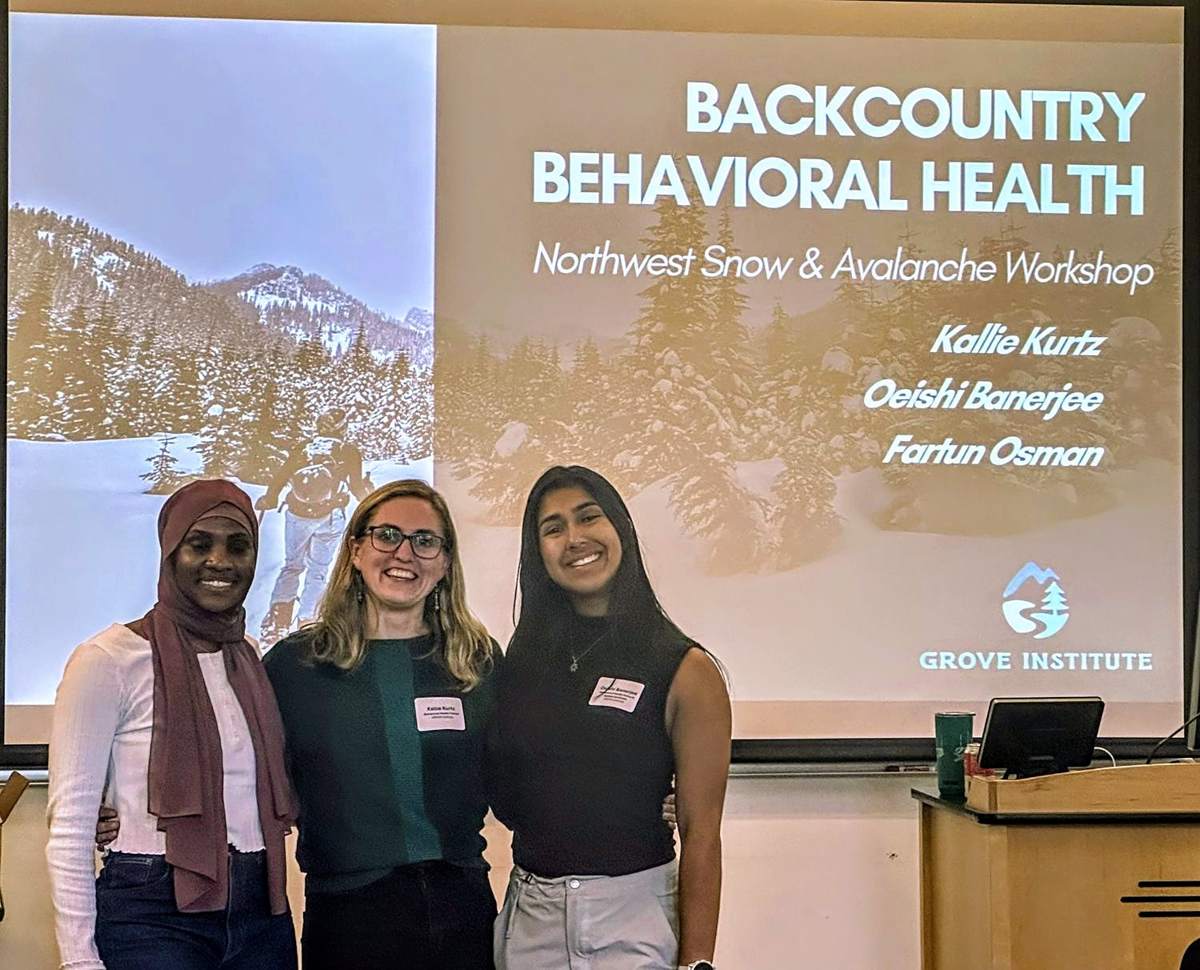
      Presented to the field at the Wilderness Medical Society, PNW WildMed, the Wilderness Risk Management Conference and the Northwest Snow & Avalanche Workshop.

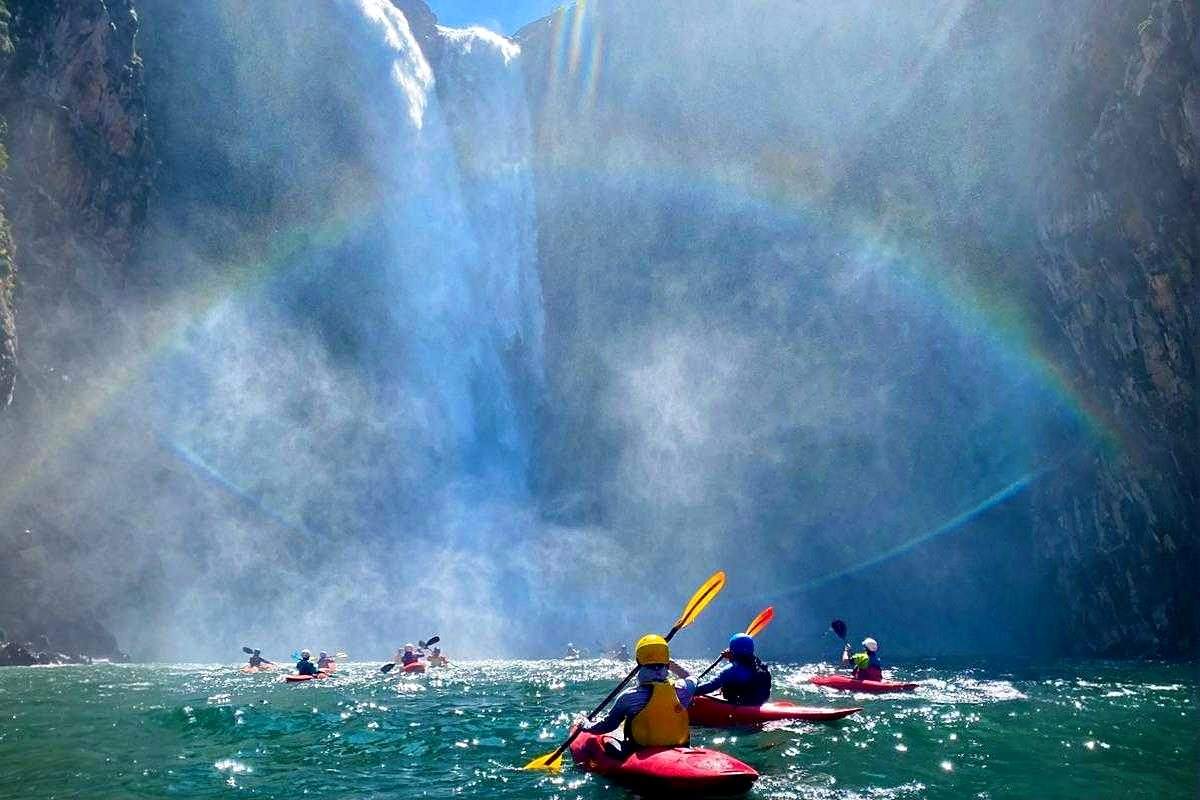
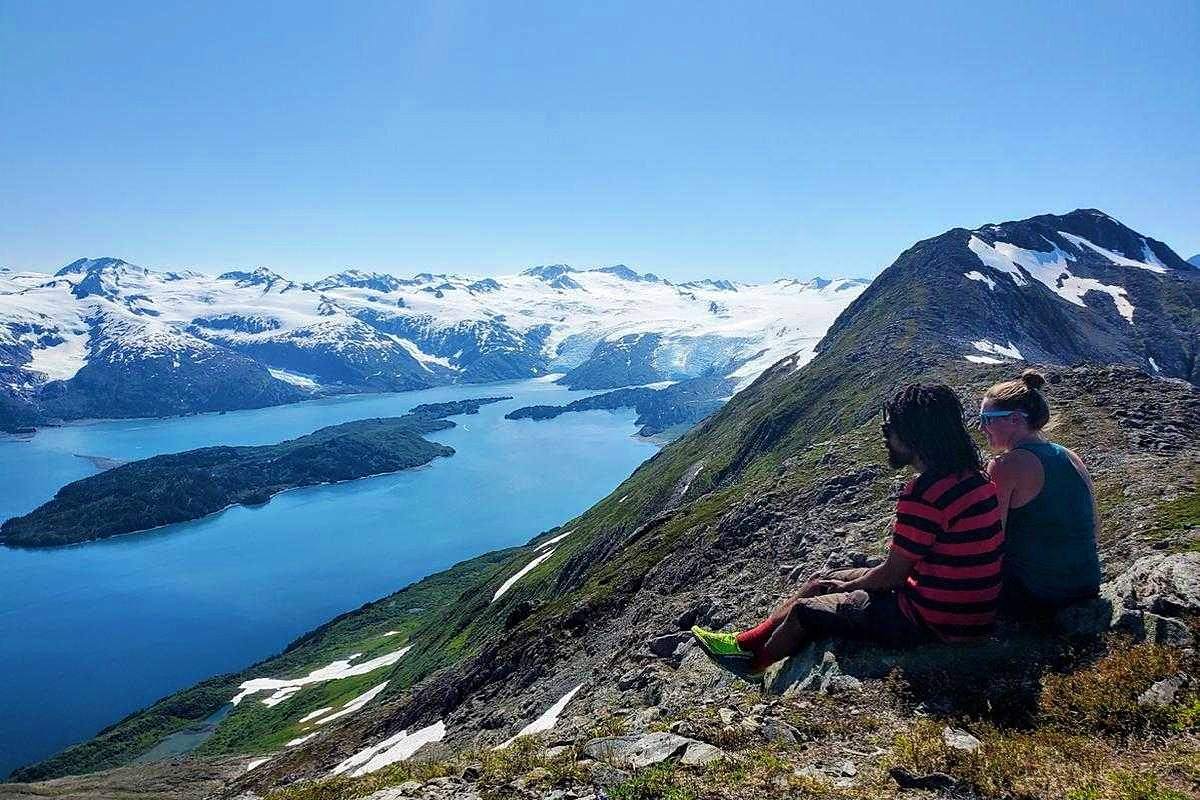
      Alpine lake at sunset below Mount ShuksanKayakers paddling beneath a waterfall rainbowHikers resting above a glacier-fed fjord

      Trainings we bring to your group

      We teach EMS, first responders, fire professionals, physicians, operators, peace and security professionals, ski patrol, search and rescue and outdoor communities, tailored to each crew's calls, deployments and culture.

      1 hr

      Backcountry Behavioral Health Overview

      A brief introduction to the three core areas and how behavioral health affects safety, leadership, decisions and group dynamics outdoors.

      What's included

      A one-hour first look at all three core areas:

      Understanding the Terrain: human behavior, neuroscience, stress, trauma and why behavioral responses exist.

      Mapping the Mind in the Outdoors: recognizing behavioral health conditions, crisis presentations and risk in remote settings.

      Navigating the Storm: response, leadership, stabilization, communication and post-incident support.

      Book for your group →
      3 × 90

      Backcountry Behavioral Health Foundations Series

      Three seminars, one per core area: Understanding the Terrain, Mapping the Mind in the Outdoors, and Navigating the Storm.

      What's included

      Three 60–90 minute seminars, one for each core area:

      Understanding the Terrain: human behavior, neuroscience, stress, trauma and why behavioral responses exist.

      Mapping the Mind in the Outdoors: recognizing behavioral health conditions, crisis presentations and risk in remote settings.

      Navigating the Storm: response, leadership, stabilization, communication and post-incident support.

      Book for your group →
      For organizations

      Bilateral Kinetic Processing training

      We’re reimagining behavioral health support.

      The people who need support most, like ER teams, first responders, operators and people working in hard places, are often the least likely to walk into a clinic. BKP meets them where they are: on the trail, on shift, at 2 a.m., not inside four clinic walls. We train your staff in BKP’s pathways, practical, structured tools anyone can use to regulate their nervous system and process stress in real time, with or without a therapist.

      • Self-guided pathways your people can use on their own, anywhere
      • Train-the-trainer options so your team can bring BKP to others
      • Built for burnout, retention and staff wellbeing, already in use with Providence
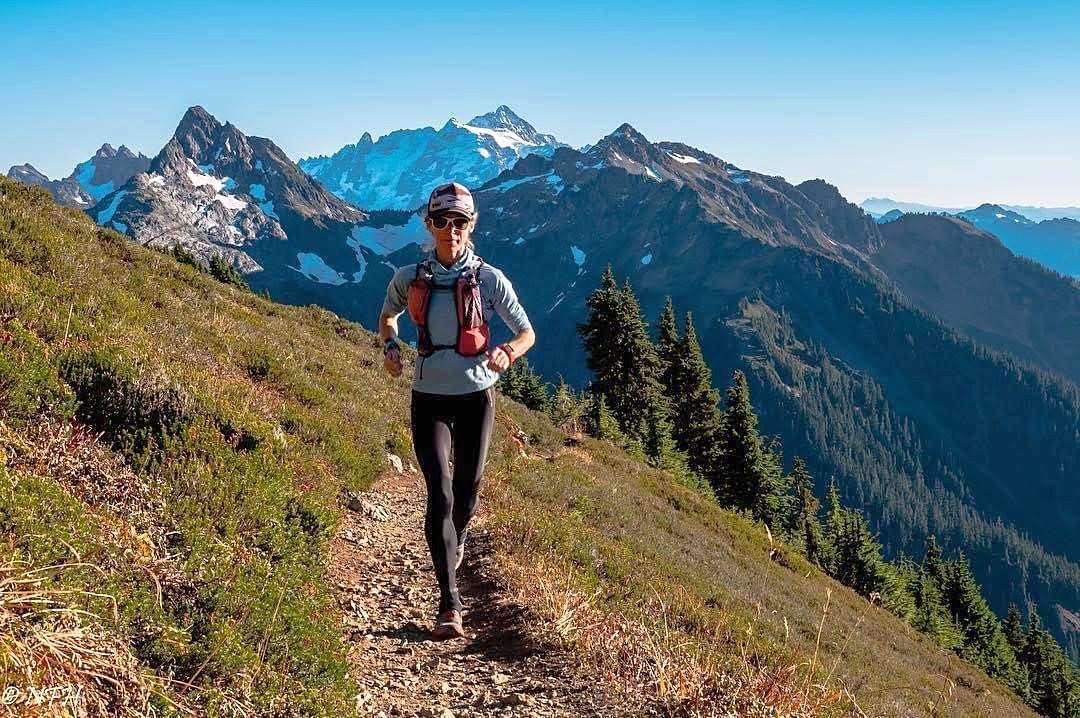
      Running a mountain trail

      Bystander Intervention

      Understanding & interrupting abuse and harassment in the wilderness

      Bystander intervention isn't crisis response. It's recognizing and interrupting abuse and harassment as it happens. Remote settings remove the usual safeguards and create unique power dynamics, so this training helps guides, trip leaders, outdoor programs and everyday adventurers spot harmful behavior, step in safely and build cultures where everyone can be safe outside.

      What's included
      • Recognizing abuse and harassment as it happens, from a degrading joke to a leader crossing a line
      • Why remote settings remove the usual safeguards and create unique power dynamics
      • How to step in safely, and why freezing or laughing along is usually fear
      • Building crew cultures where everyone can act and everyone is safe outside
      • For medical and response crews: patients who harass your crew, and patients harmed by a partner or caregiver
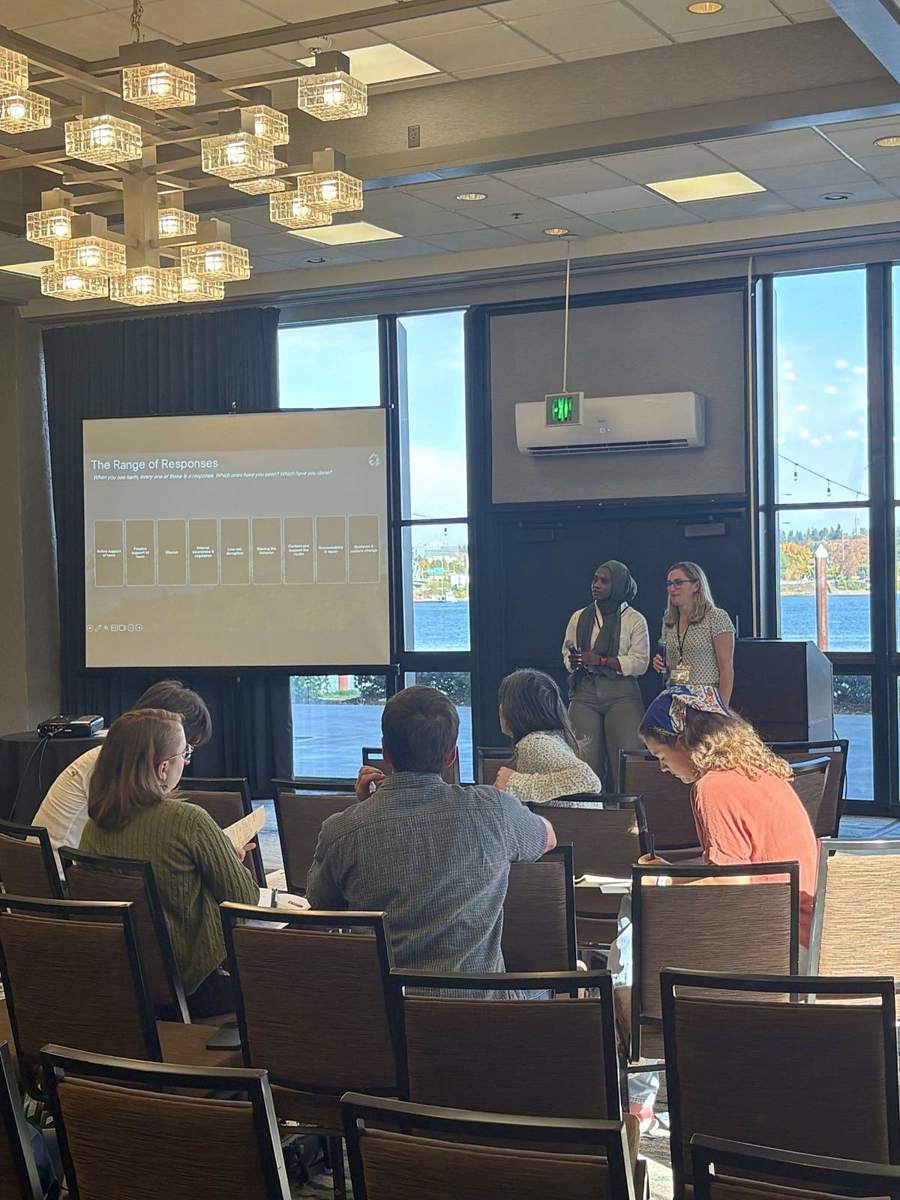
      Fartun and Kallie teaching The Range of Responses in a bystander intervention session
      Crisis & stress care
      like Responder Alliance
      Bystander intervention
      A person in distress after a hard event
      A degrading joke, a leader crossing a line
      Trained responders act
      Everyone on the crew can act
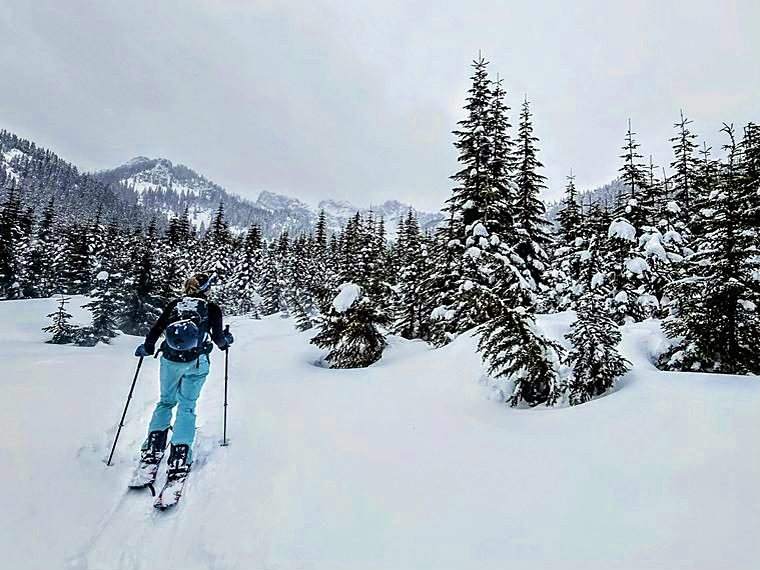
      Fireweed below glaciated peaksSki touring through snowy forestSunset over sea stacks on the coast
      90 minutes to a full day

      Specialty workshops

      Focused workshops for outdoor communities, clubs, guide teams and conferences, or a training we build together with you and your team.

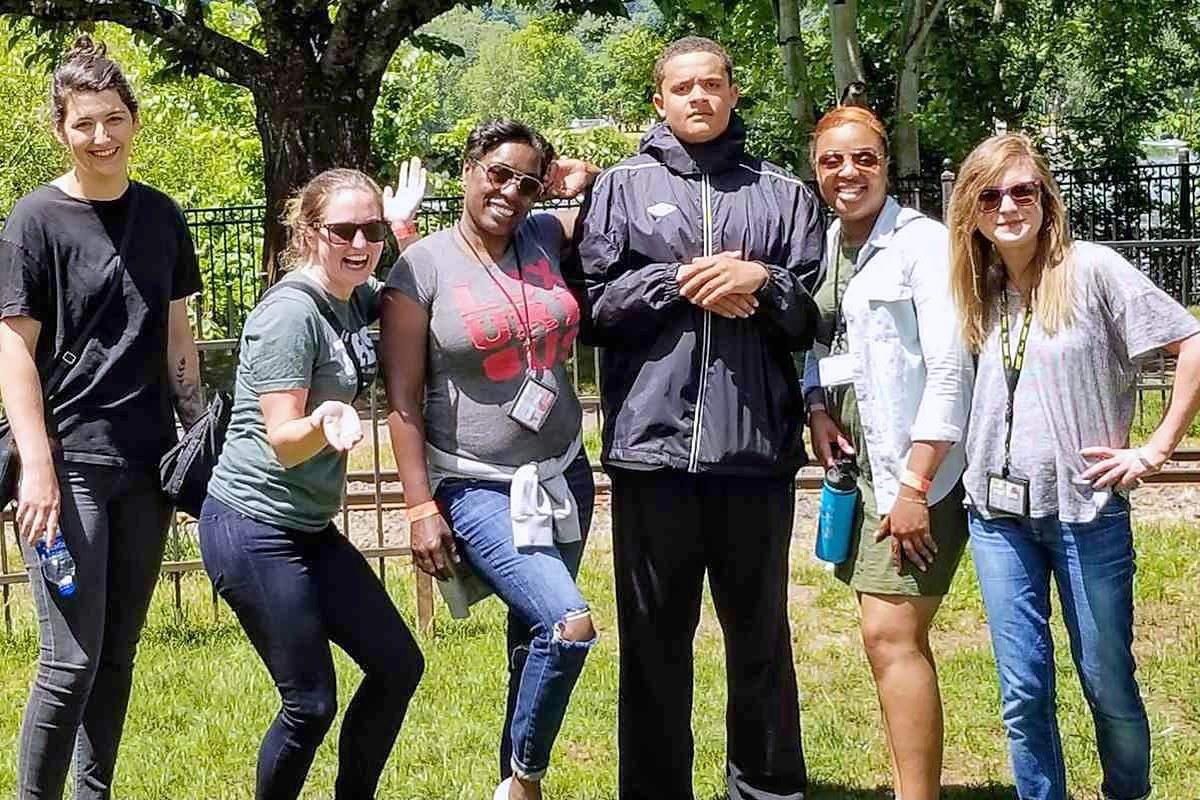
      Community training participants outdoors

      When the River Takes: Navigating Loss in the Outdoors

      For paddlers, climbers, guides and outdoor communities who have lost someone to the places they love. How grief shows up after an outdoor death, how to support friends, clients and teams through it, and how people find their way back to the river or mountain.

      What's included
      • How grief shows up after an outdoor death
      • Supporting friends, clients and teams through loss
      • How people find their way back to the river or mountain
      Request for your group →
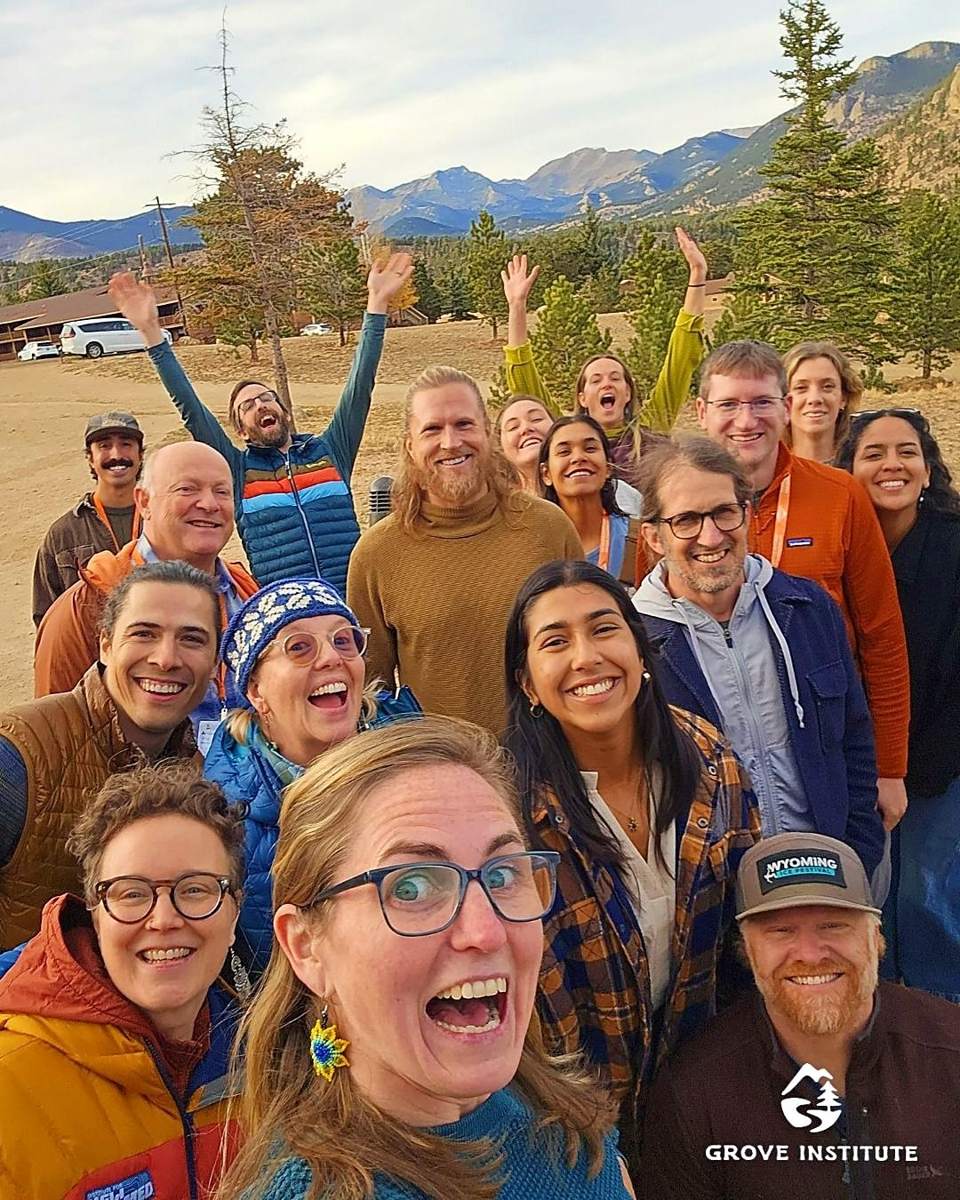
      A Backcountry Behavioral Health training class celebrating together outdoors

      ADHD & Your Superpowers for the Outdoor Adventurer

      Why so many ADHD brains come alive outside, and how to use strengths like hyperfocus, quick decisions and creativity while planning around the hard parts like time, checklists and risk.

      What's included
      • Why so many ADHD brains come alive outside
      • Using strengths like hyperfocus, quick decisions and creativity
      • Planning around the hard parts: time, checklists and risk
      Request for your group →
      The Mountaineers Leadership Development Series

      Below the Surface: Substance Use in Outdoor Communities

      From après-ski and river-camp culture to the guides and patrollers who carry it all. How substance use shows up, why it adds risk in remote settings, harm reduction basics, and how to talk with a friend, client or crewmate and support recovery outdoors.

      What's included
      • How substance use shows up in outdoor communities
      • Why it adds risk in remote settings
      • Harm reduction basics
      • Talking with a friend, client or crewmate
      • Supporting recovery in outdoor spaces
      Request for your group →
      Conference session led by Grove Institute

      Finding Solid Ground: Trauma, PTSD & the Outdoors

      Accidents, rescues, close calls and loss can leave lasting marks. How trauma and PTSD show up for outdoor people and responders, why the outdoors can be both a trigger and a place to heal, and how to support someone after a traumatic event.

      What's included
      • How trauma and PTSD show up for outdoor people and responders
      • Why the outdoors can be both a trigger and a place to heal
      • Supporting someone after a traumatic event
      • How movement and nature help the nervous system find its footing
      Request for your group →
      Grove trainers at the Northwest Snow & Avalanche Workshop
      Built with you

      Custom Training: Designed With You and Your Team

      Facing something not listed here? We collaborate with you and your team to build a training around your people, your environment and the behavioral health topics you are actually seeing, from 90 minutes to a full day.

      What's included
      • A planning conversation about your team, your setting and what you are seeing
      • Content built around your needs, for example trauma-informed leadership, burnout prevention, crisis response and de-escalation, or violence prevention
      • Scenarios drawn from your own calls, trips and deployments
      • Delivered at your location, from 90 minutes to a full day
      Start the conversation →
      Specialized curricula

      Built for first responders, fire service, EMS and teams working abroad

      Beyond the backcountry, we teach behavioral health response curricula for professionals, tailored to each crew’s calls, deployments and culture.

      • Real-time nervous system regulation and stress management, on shift, in the field and at home
      • Recognizing stress, burnout, trauma responses and moral injury before they escalate
      • Team practices that support recovery after hard calls
      • Self-guided Bilateral Kinetic Processing pathways for ongoing stress management
      Request a curriculum for your crewTraining for teams

      From participants

      My favorite part was delving into tools that we could take home. I learned strategies I hadn't thought of before.Backcountry Behavioral Health participant
      An excellent speaker, very knowledgeable about mental health in all its aspects, energetic, with a great sense of humor.Backcountry Behavioral Health participant
      Loved the experiential approach to sharing resources and the in-depth explanations.Training participant
      Get involved

      Help build Backcountry Behavioral Health

      Want to help develop curriculum, review the ethics of our research or keep partnering with us? Join the Grove ecosystem.

      Partners in the work

      Join the Root Network

      For people actively doing the work who want to partner where it fits.

      Learn about the Root Network →
      Oversight & expertise

      Join the Canopy

      Give oversight, review curriculum and trainings, guide research ethics and share your expertise.

      Learn about the Canopy →
      Stay up to date

      Join the email list

      Hear first about new trainings, dates and what’s next.

      Your email app will open with your request ready to send. You can also email info@groveinstitute.org.

      Backcountry Behavioral Health

      Ready to train?

      Register for an upcoming Aider or Responder course, or bring any training on this page to your crew, agency or community.