

What BBHA is
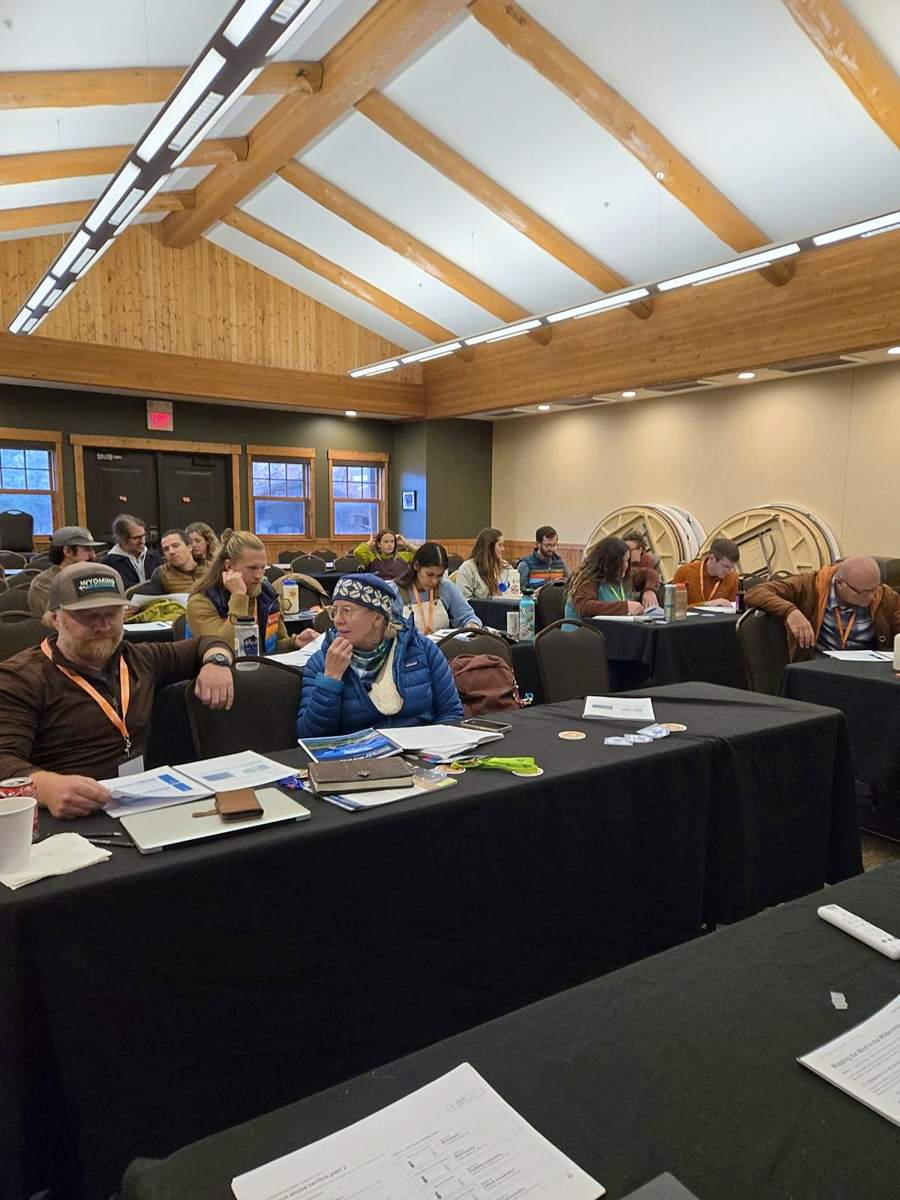
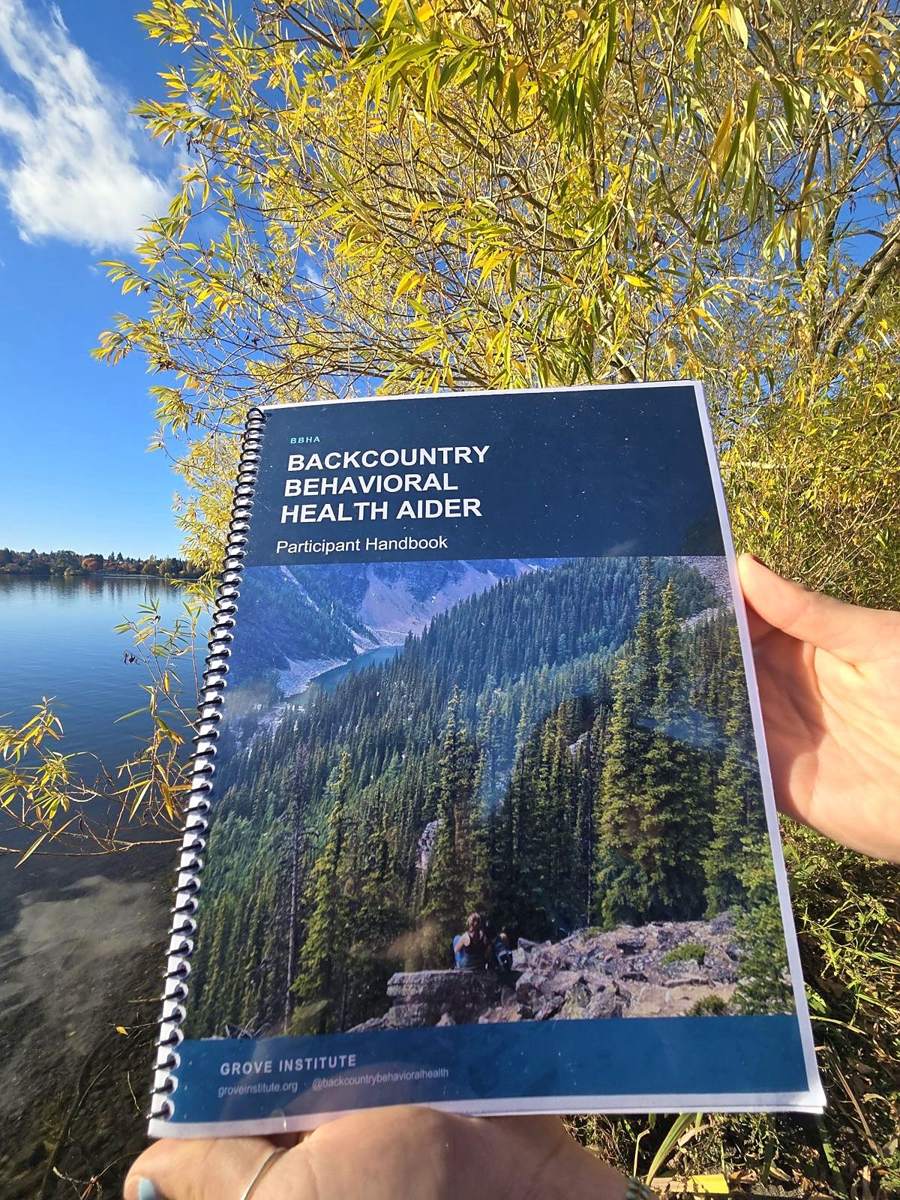
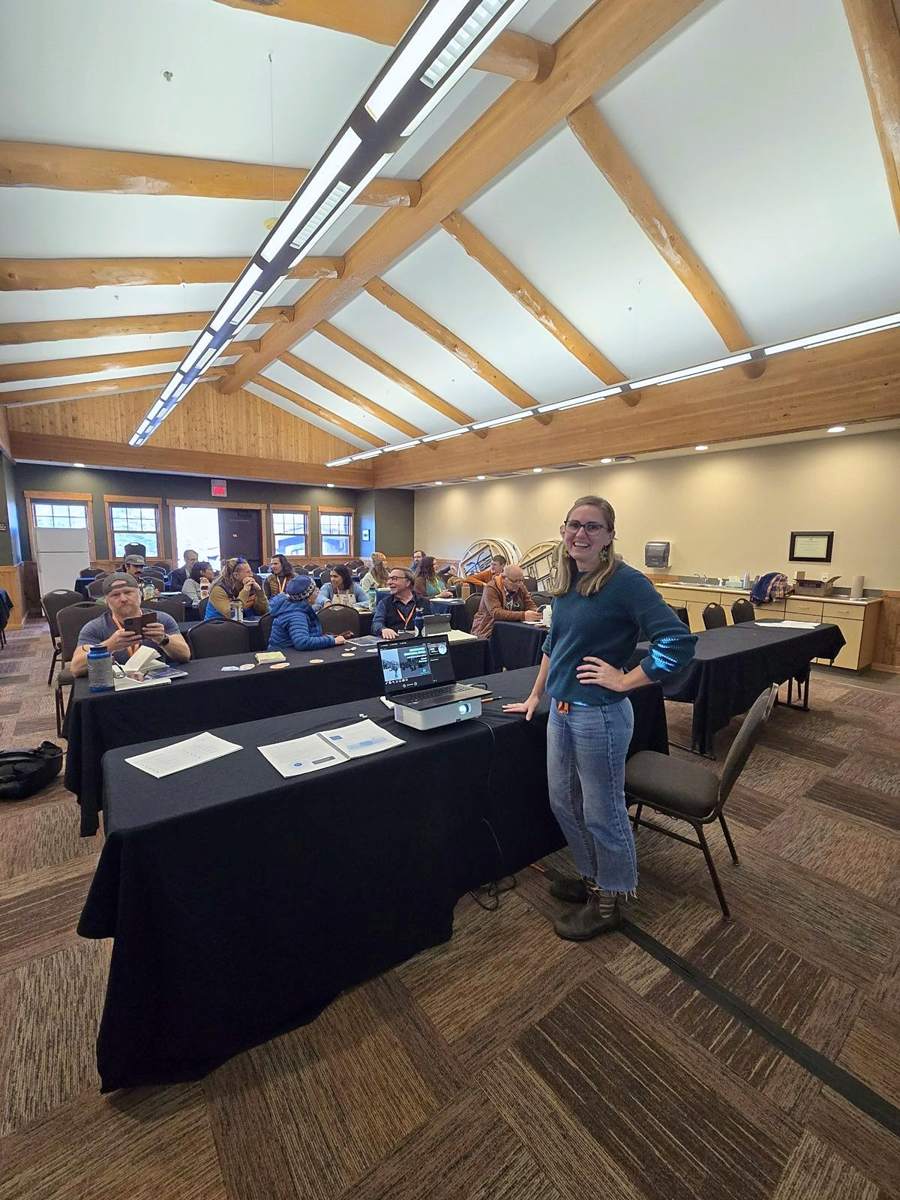
BBHA is our first certification-level course. It takes the three core areas of Backcountry Behavioral Health and goes deeper through applied learning, practical tools and scenario-based training.
Wilderness First Aid teaches you what's happening in the body and what to do about it until help arrives. BBHA does the same for behavioral health: you learn what's happening in the brain and nervous system, how to recognize it, and how to help someone stabilize when you're far from support.
You'll leave prepared to aid individuals and groups through behavioral health challenges outdoors, while strengthening your own safety, leadership and decision-making under stress.
Course at a glance
- Format: 1 day, 8 hours
- Level: Certification
- Scope: Comparable to WFA
- Style: Applied learning and scenario-based practice
- For: Everyday adventurers, trip leaders, outdoor staff, students and anyone who spends time in remote settings
What you'll be trained on
The day moves through all three core areas of Backcountry Behavioral Health.

Understanding the Terrain
Why people respond the way they do under stress.
- How the brain and nervous system respond to stress and threat
- Trauma and how it shows up later
- Why behavioral responses exist and what they protect
- How stress affects judgment, communication and group dynamics
Mapping the Mind
Recognizing what you are seeing in the field.
- Recognizing common behavioral health conditions outdoors
- Spotting cognitive changes, distress and dysfunction
- Assessing risk and knowing when something is dangerous
- Suicide awareness: warning signs and how to ask
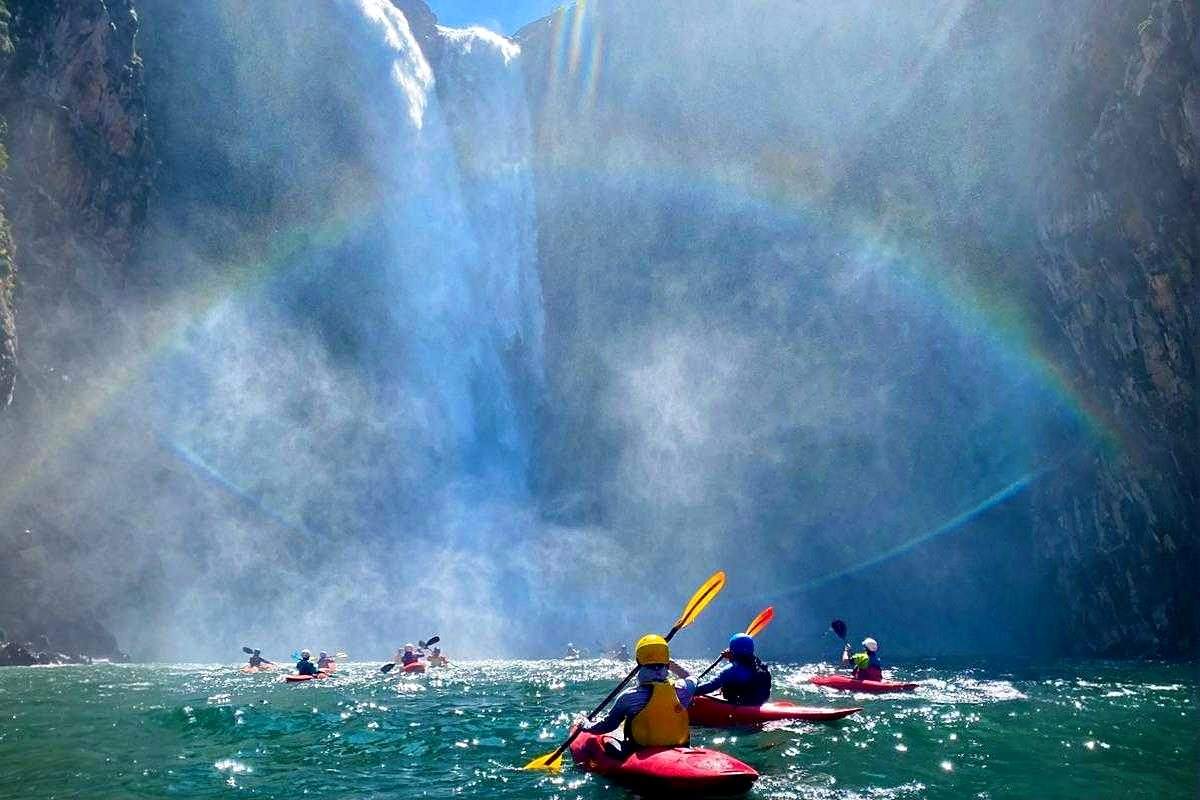
Navigating the Storm
What to do, in the moment and after.
- Grounding and stabilization techniques that work in the field
- Communicating with someone in distress
- Field response and when to evacuate or call for help
- Supporting the group and yourself after an incident
You'll leave able to
- Explain what stress and trauma do in the brain and body
- Recognize behavioral health conditions and crisis presentations outdoors
- Assess risk, including suicide risk, and decide on next steps
- Use grounding and stabilization skills with individuals and groups
- Communicate clearly and calmly with someone in distress
- Make sound decisions and lead under stress
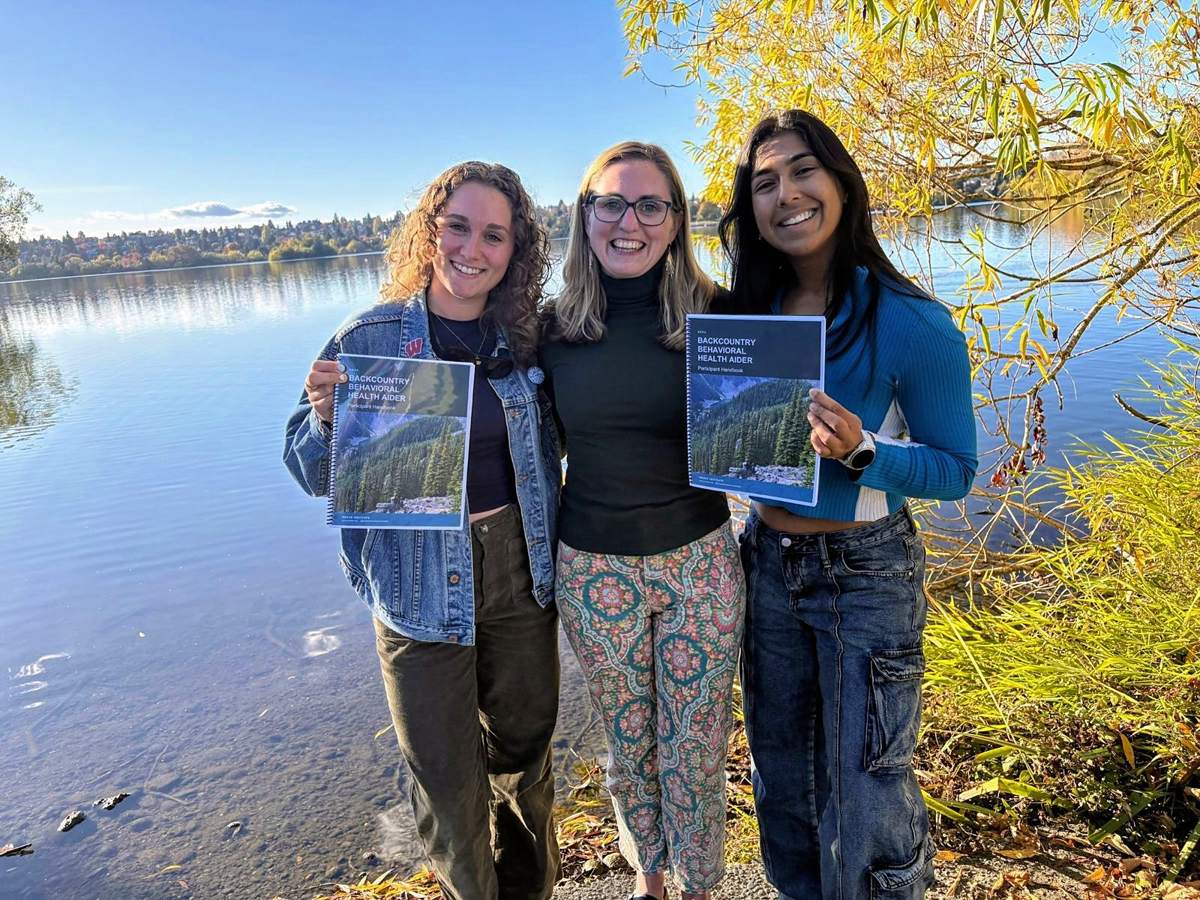
Training happens where the skills get used: outside.
Ready to go further?
The 3-day Responder builds on everything in BBHA.