Four proven pillars. One amplified practice.
Each one works on its own. Together, they amplify each other.
Especially for people with ADHD, high trauma histories or high-stress jobs, sitting and talking wasn’t enough to move what they carried.
Kallie saw how EMDR and bilateral stimulation brought the nervous system into the work, and people started to move.
Combine what works into one option with multiple benefits at once: the Amplifier Effect.
Walking, hiking, running or paddling engages the nervous system from the bottom up.
Time outside quiets rumination and lowers the stress response.
Left-right rhythm, the principle behind EMDR, helps the brain process.
CBT, ACT, CPT and EMDR tools to work through what you’re carrying.
Multiple benefits at the same time: regulation, processing and relief, built into one practice.
Four BKP pathways
Two with a provider, and two you can use on your own, any time.
With a provider
On your own
A regulator you can carry with you
One of the most important parts of BKP is that people can learn it and use it on their own, far from clinical support, in the places where distress and trauma run highest.
Not new science. New access.
Every piece of BKP already has research behind it. What’s new is amplifying them together, and the self-guided pathways that let people use BKP on their own.
Proven pieces
Each pillar is backed by existing evidence.
- Movement
- Nature
- Bilateral stimulation
- Emotion & distress processing
New doors open
Amplification and self-guided pathways reach people traditional therapy often misses.
In busy lives, few people have time for both a therapy session and a run. Doing both at once is a game changer that amplifies the results of each.
What 30 minutes outside can do
From our quality improvement pilot of outdoor BKP sessions. A larger evaluation is now in peer review.
Our field brief on the pilot and what changed for clients.
Read the article → The scienceThe Amplifier Effect & referencesThe research behind each of the four pillars.
See the references → Literature reviewNature, regulation & restorationTime outdoors, movement and stress recovery, with full citations.
Read the review →Where we practice BKP
Meet your clinician on the trail, by the river or in the park in three regions, or work with us remotely from wherever you are.
In person in the Columbia River Gorge, the Tacoma area and Connecticut. Telehealth in WA, OR, CT and ME.
Remote options too
- Telehealth therapyVideo sessions with a Grove clinician anywhere in Washington, Oregon, Connecticut and Maine.
- Self-guided BKP pathwaysEmotional Reset and Distress Processing pathways you can use on your own, at 2 p.m. or 2 a.m., wherever you live.
- BKP for your teamWe bring BKP training to organizations anywhere, so your people have a way to regulate in real time.
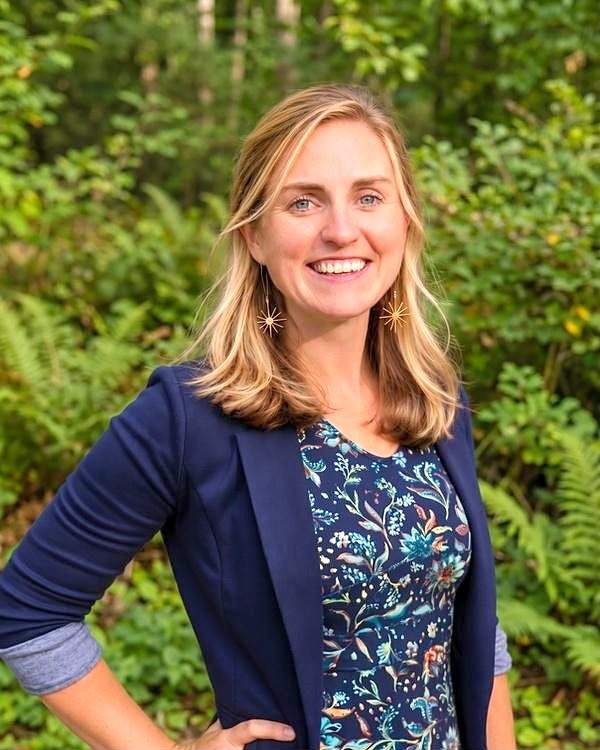
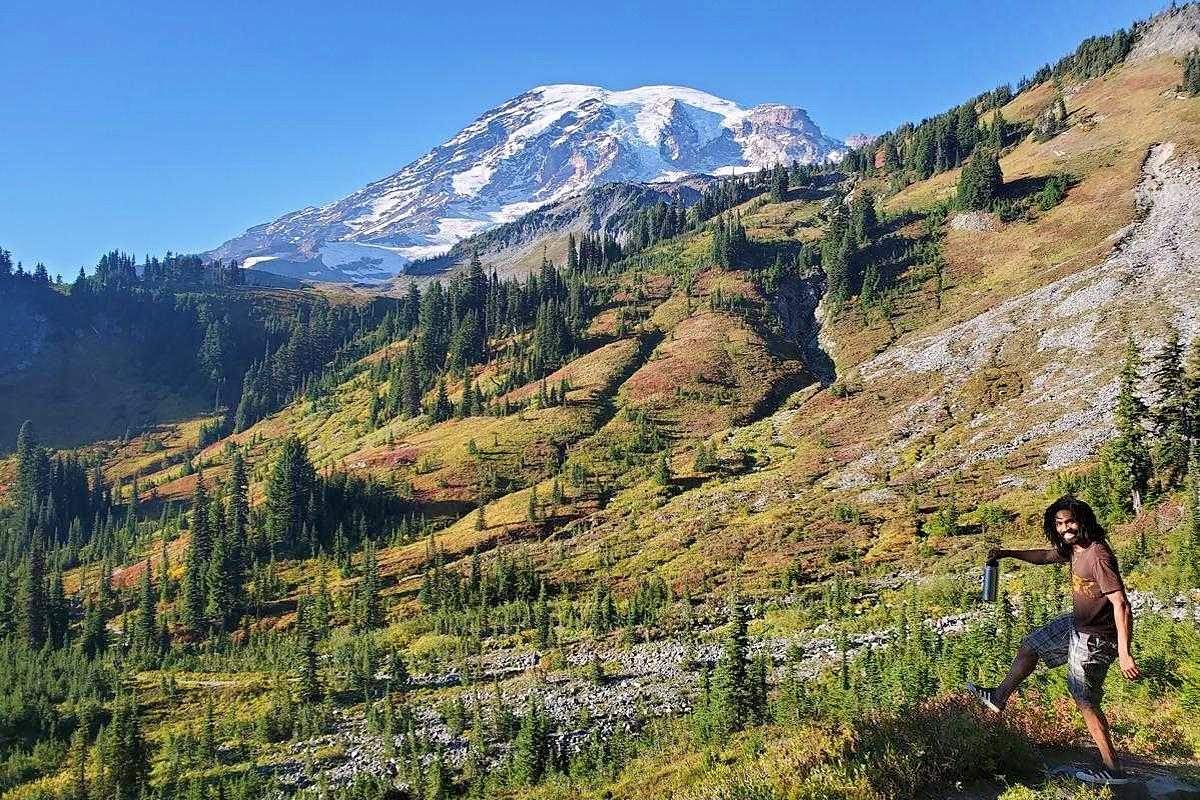
Developed BKP from years in emergency rooms, with operators and veterans, and in the field. Meets clients on trails and by rivers around the Gorge.
Meet Kallie →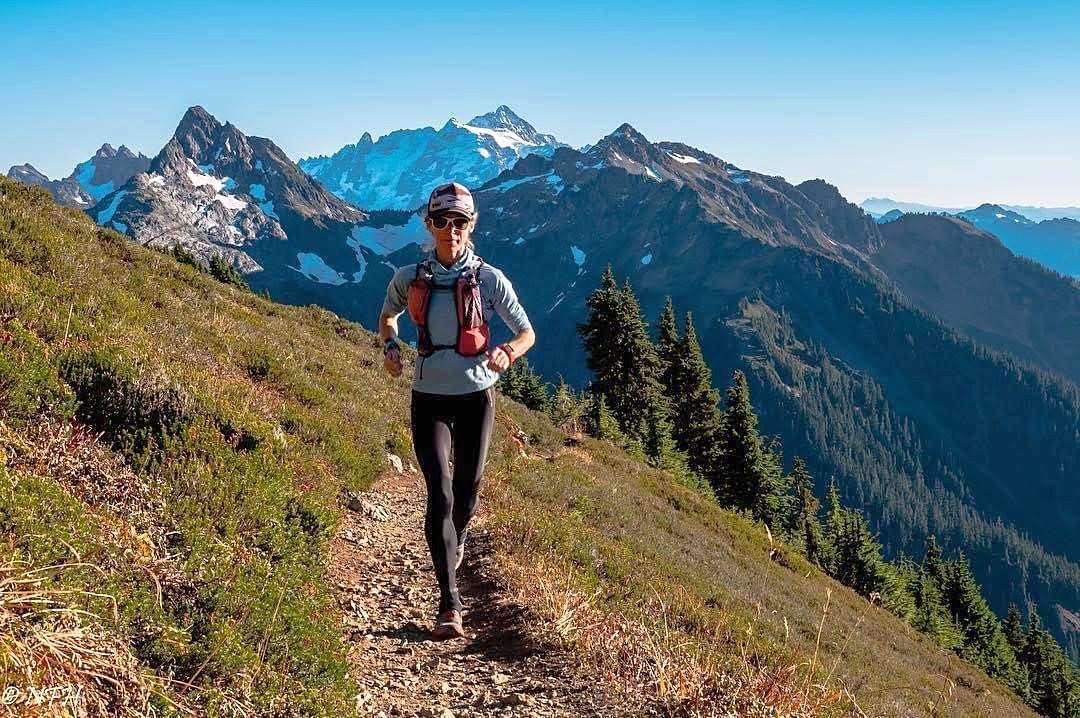
Clinical art psychotherapist and lifelong endurance athlete who meets clients out on the trail. Offers BKP in English and Spanish and leads Grove’s Art & Nature group.
Meet Karina →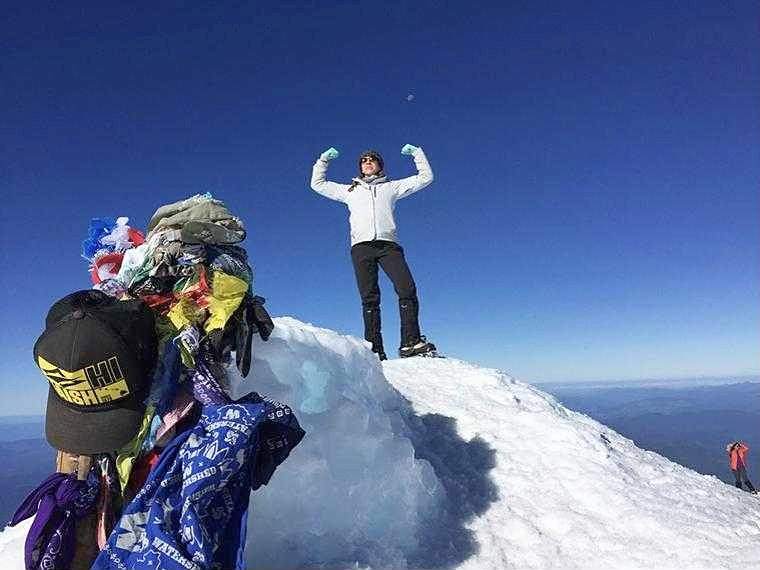
Brings music, art, nature and humor into sessions, with a decade of work with high-trauma youth, creative young people and LGBTQ+ clients.
Meet Jenny →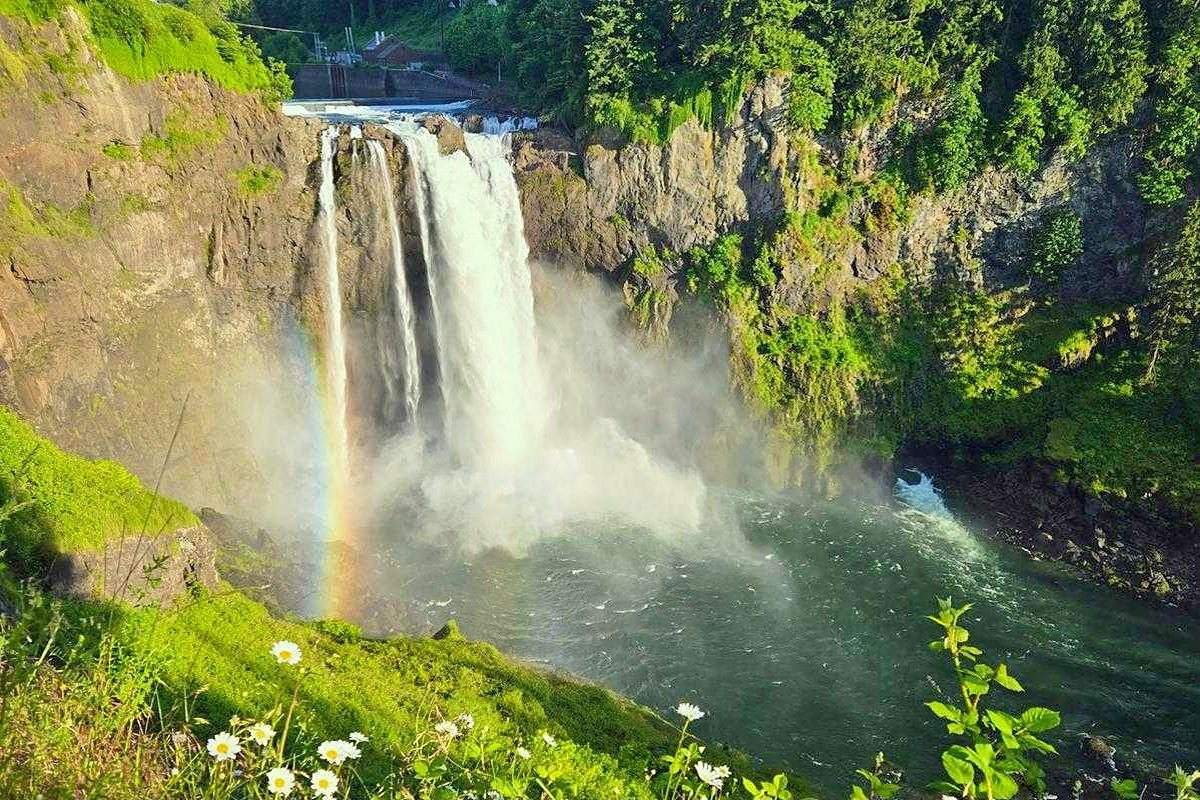
BKP groups are coming
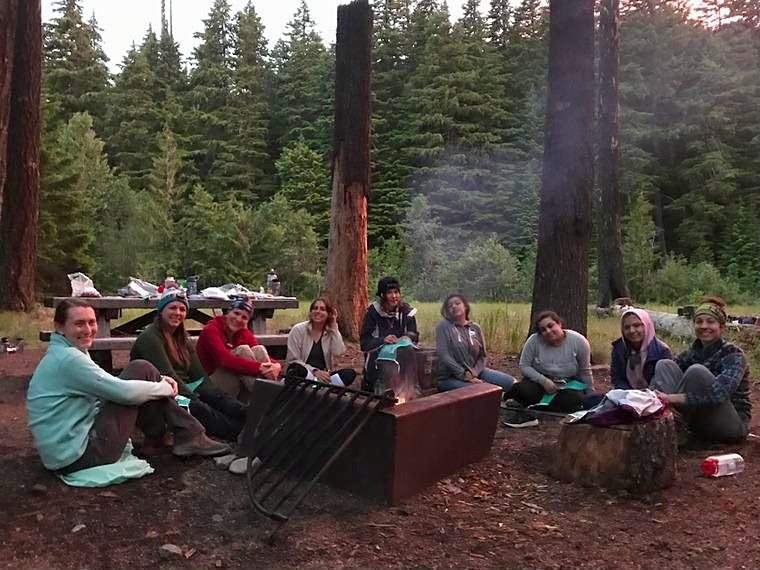
Move, process and regulate together. Bilateral Kinetic Processing groups launch in January 2027. Join the list to be the first to hear dates, locations and how to sign up.
Bring BKP to your team
Give the people carrying the heaviest loads a way to regulate in real time, on shift, in the field or at 2 a.m. We train teams anywhere.
Better for clients. Better for clinicians.
In a BKP session, the clinician moves too. Walking side by side outdoors, providers get the same movement, nature and bilateral rhythm as their clients, instead of spending the day in a chair.
A day in the office
- Sitting session after session
- Hours behind a screen
- Indoors, under fluorescent light
- Absorbing clients’ distress with no outlet
A day of BKP
- Moving through the workday, on trails, by rivers and in parks
- Time outside, built into every session
- Bilateral rhythm that helps regulate the clinician too
- A steadier provider who can co-regulate with clients, and a more sustainable career
The provider pathway
Grove trains clinicians and teams to deliver and use BKP. Providence Workforce, for example, uses BKP to support provider retention and manage burnout.
Outdoor therapy, ecotherapy & walk-and-talk therapy
BKP is Grove’s structured approach to outdoor, nature-based and movement-based therapy. Here’s how it relates to the terms you may be searching for.
Is BKP the same as walk-and-talk therapy?
Walk-and-talk therapy means meeting your therapist outside and talking while you walk. BKP starts there and goes further: the rhythm of walking, hiking, running or paddling is used deliberately as bilateral stimulation, layered with proven processing tools like CBT, ACT and CPT. If you are looking for walk and talk therapy, BKP is our version, with a clear structure behind it.
Is BKP a form of ecotherapy or nature therapy?
Yes. Ecotherapy, also called nature therapy or nature-based therapy, uses time in nature to support mental health. Nature is one of BKP’s four pillars, alongside movement, bilateral stimulation and emotion and distress processing.
What is movement-based therapy?
Movement-based therapy uses physical activity as part of treatment, helping regulate the nervous system from the bottom up while you work through stress, trauma or ADHD-related challenges. BKP is a movement-based therapy designed for people who don’t always want to sit in an office.
Can BKP help with nervous system regulation and stress management?
Yes. That is a core goal of BKP. Rhythmic movement, time in nature and bilateral stimulation help calm an overactivated nervous system from the bottom up, while processing tools address what is driving the stress. Clients and teams learn nervous system regulation and stress management skills they can use on their own, on shift, on the trail or at 2 a.m.
Where can I find outdoor therapy near me?
Grove offers in-person outdoor therapy in the Columbia River Gorge (Oregon and Washington), the Tacoma area including Federal Way and JBLM, and Connecticut. We also offer telehealth in Washington, Oregon, Connecticut and Maine, and most major insurance plans are accepted.
Try therapy that moves
Start BKP with a Grove clinician, join a BKP group or bring it to your team.